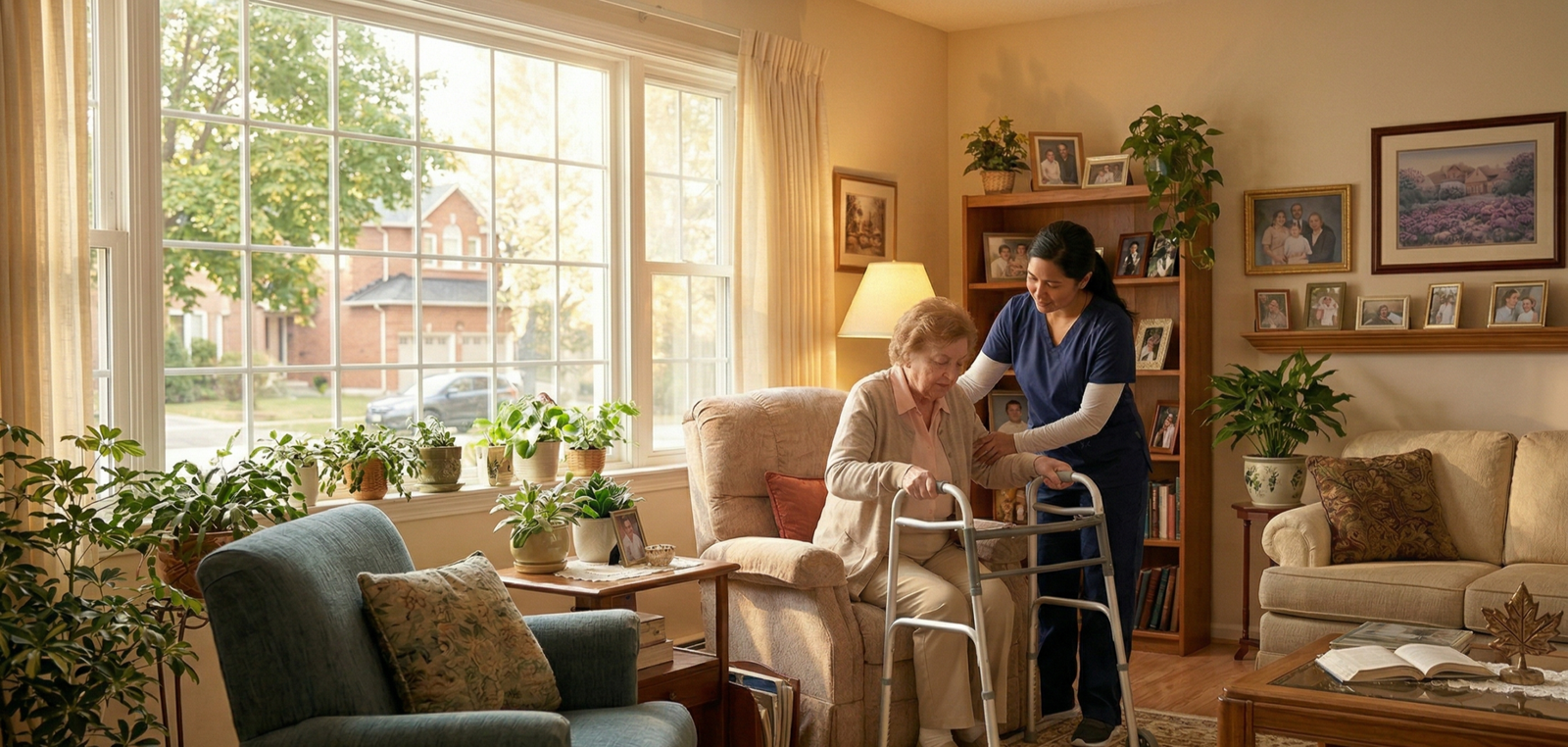
When to Consider In-Home Care for a Parent or Loved One
If you’ve been wondering when to consider in-home care for a parent or loved one, you’re not alone. Most families don’t reach this decision all at once — it usually starts with small changes that add up over time. The right support can help an older adult stay safe, comfortable, and independent at home, while giving families peace of mind.
Below are common signs that it may be time to explore in-home care for seniors, along with guidance on what to do next.
Early Signs a Senior May Need In-Home Care
In many cases, the first signs aren’t dramatic — they’re subtle patterns that become more frequent. If you notice a few of the following changes, it may be time to start a conversation:
- Medication mistakes: missed doses, double doses, or confusion about prescriptions.
- Changes in hygiene: wearing the same clothes repeatedly, skipping showers, or neglected grooming.
- Household decline: dishes piling up, spoiled food, clutter increasing, or laundry not being done.
- Mobility changes: more difficulty getting up from a chair, using stairs, or walking steadily.
- Memory lapses: forgetting appointments, misplacing items more often, or repeating stories frequently.
- Reduced appetite: weight loss, fewer groceries in the home, or eating mostly snacks.
If you want a deeper checklist, you may find this helpful: Top Signs a Parent May Need Help at Home.
When Safety Becomes a Concern
Safety is one of the most common reasons families explore in-home care. Even a single incident can be a warning sign, especially if it could happen again.
- Falls or near-falls: bruises, unsteadiness, or “almost” slips while moving around the home.
- Kitchen risks: leaving the stove on, forgetting food in the oven, or confusion during cooking.
- Wandering or disorientation: getting lost in familiar areas or confusion about time and place.
- Unsafe medication use: mixing medications, taking the wrong pills, or forgetting whether a dose was taken.
If memory and confusion are becoming more noticeable, structured support can make a significant difference. Learn more here: Dementia Care at Home.
Emotional and Social Changes to Watch For
Sometimes the strongest sign that it’s time to consider in-home care isn’t physical — it’s emotional. Loneliness can increase quickly with aging, especially after a spouse passes, friends move away, or health changes reduce social activity.
Look for signs like:
- Withdrawal: fewer calls, fewer outings, or avoiding visitors.
- Loss of interest: hobbies and routines that once mattered no longer happen.
- Low mood: sadness, irritability, or “not caring” about things they used to enjoy.
- Increased anxiety: fear of being alone, or stress about everyday tasks.
In these situations, companionship care can provide routine, connection, and reassurance — without making the home feel “medical.” You can read more here: Companionship Care for Seniors.
Occasional Help vs. Ongoing In-Home Care
Many families start by helping with errands or checking in more often. That can be enough for a while. But as needs grow, ongoing in-home care becomes a safer and more sustainable solution.
In-home care may be the right next step when:
- Family support is becoming difficult to manage consistently.
- Your loved one needs help with daily routines (meals, mobility, hygiene, reminders).
- Safety risks are increasing, even if no major incident has happened yet.
- Loneliness, isolation, or anxiety is affecting quality of life.
- Care needs are changing, and you want flexible support at home.
If you’re trying to decide what type of support is best, here is a helpful comparison: Companionship Care vs. Personal Support Worker Services.
How to Start the Conversation About In-Home Care
This conversation can be emotional — for both seniors and families. The best approach is calm, respectful, and focused on quality of life.
- Start with “why”: emphasize safety, independence, and comfort at home.
- Keep it collaborative: ask what would make daily life easier and less stressful.
- Offer small steps: begin with a few hours a week, then adjust as needed.
- Focus on routine: consistent support can feel more reassuring than “only when something goes wrong.”
Many seniors are more open to care when they understand it’s about staying at home longer — not giving up independence.
In Summary: Trusting the Timing
Knowing when to consider in-home care often comes down to noticing patterns. If safety concerns are increasing, daily routines are getting harder, or loneliness is affecting quality of life, in-home support can be a practical and compassionate next step.
If you’re unsure where to start, Care Designed for You can help you explore the right level of support based on your loved one’s needs — with dignity, consistency, and trust.
Contact us to discuss in-home care options for your family.